Somewhere off Baxter Street, or on a quiet block near Five Points, there is a car that has not really been driven since move-in weekend. The car goes out for groceries on Alps Road twice a month, comes back, and sits. Two miles a week, give or take.
That sounds like the gentlest life a car can have. Almost no miles, no traffic, no highway.
The odometer agrees with that story. Your car does not. A vehicle that moves two miles at a time and then sits for days in an Athens summer is living in exactly the conditions carmakers call severe, and the damage it collects has nothing to do with mileage. It comes from disuse. Here is what is happening out there on that side street, and what to check before that car is asked to run Highway 316 or the interstate home for break.
Two Miles a Week Is Not “Easy” Driving
Almost everything that protects a car happens while the car is running and warm. Oil gets hot enough to cook off what collects in it. The alternator puts charge back into the battery. Brake pads sweep the rust off the rotors.
A two-mile trip does none of that. The engine is still warming up when the ignition goes off, the battery gives up more charge starting the car than it gets back, and the pads touch the rotors two or three times. Then the car sits for six days and the cycle starts over from a slightly worse place. Multiply that by a semester and you get a car that looks untouched and drives like it has been neglected. A good share of the auto repair work we see in Athens GA around fall and winter break starts this way.
What “Severe Service” Really Means in Your Owner’s Manual
Open the maintenance section of almost any owner’s manual and you will find two schedules: a normal one, and a tighter one for vehicles used in harder conditions. Most owners never notice which applies to them. Mazda’s published maintenance schedule for the 2022 CX-5 spells those conditions out. Among the severe driving conditions that push a vehicle onto the tighter schedule are “repeated short-distance driving” and driving for long periods in extremely humid climates.
Read those two again with an Athens parking spot in mind. Repeated short-distance driving is the entire life of a student car, and Athens is humid subtropical, averaging 46.33 inches of rain a year with rain in every month and a July average high of 91 degrees, according to U.S. Climate Data. The car parked near campus qualifies as severe service on two counts at once, without ever leaving Clarke County.
On that Mazda schedule, the severe interval is every 6 months or 5,000 miles, whichever comes first, against 12 months or 7,500 miles on the normal one. Your vehicle’s numbers will differ, so check your own manual. The rule is nearly universal, though: less driving of this kind means more frequent service, not less.
Why an Oil Change in Athens GA Runs on the Calendar, Not the Odometer
Notice which half of that interval a student car hits first. Not the miles. The months. At two miles a week, a car covers roughly a hundred miles a semester and will not see 5,000 miles for years. The 6-month clock runs whether the car moves or not.
The interval has a time component for a reason. Combustion puts water vapor and a little unburned fuel into the crankcase on every cold start. When an engine reaches full operating temperature and stays there, that moisture and fuel boil off and leave with the exhaust. End the drive before the engine is fully warm and they stay in the oil, thinning it out and turning it acidic. Short trips add contamination faster than the engine can clear it.
So an oil change for a low-mileage student car is not wasted service on an engine that “hasn’t gone anywhere.” That oil has done the hardest kind of work there is, a hundred cold starts with no warm cruise to clean up after them. If the sticker in the windshield predates move-in, it is due.
Your Car Battery in Athens GA: Never Fully Charged, Then Left to Sit
If one part fails on a car parked all semester, it is the battery, and it usually fails on the morning it is needed most. Two things grind it down at once.
First, the short trips. According to Midtronics, trips under 20 minutes do not give the alternator time to fully recharge the battery, so it drains gradually. A battery shut off before it recharges fully suffers what the company calls cumulative sulfation buildup, the hardening of lead sulfate on the plates that permanently costs it some capacity.
Second, the sitting. A parked modern car is never truly asleep, because the clock, the alarm, the keyless entry receiver, and the computer’s memory all keep drawing a trickle. Optima Batteries notes that a draw of 85 milliamps would flatten a typical 50 amp-hour battery in just over three weeks, and that a significant draw plus long periods of non-use can pull voltage below 12.4 volts, where sulfation and capacity loss set in.
Now add Georgia. AAA is blunt that heat, not winter cold, is the number one cause of battery failure and reduced battery life, and most batteries only have a three- to five-year service life to begin with. Of the more than 27 million roadside calls AAA fielded in 2024, roughly 7 million were battery issues, and as one AAA spokesperson put it, many could have been avoided with maintenance.
So do not judge a battery by whether it still cranks on a warm afternoon. Have it load tested, which measures whether it can deliver current under demand rather than just show a voltage. That takes minutes at either Athens store, and it beats searching for a car battery in Athens GA from a parking deck on the morning you leave town. If the car will keep sitting for weeks, ask us about a battery maintainer, which Midtronics credits with adding months or years of battery life.
Brakes: Surface Rust After Humid Athens Nights
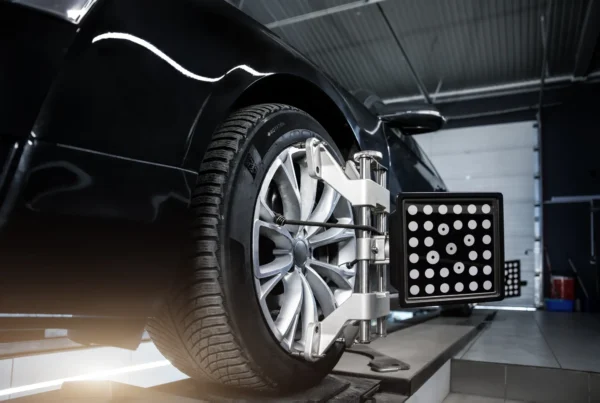
Look through the wheels of any car that sat outside overnight and the rotors will have an orange film on them. The face of a rotor is bare cast iron by design, because the pads need bare metal to grip, and bare iron plus moisture equals rust within hours. Wagner Brake notes that rain, dew, and even humid conditions are enough to start rust forming on pads and rotors. On a car that gets driven, the first few stops scrub the film off.
On a car that has not moved since August, it is a different story. Wagner warns that when a vehicle is not driven regularly, rust can build up and begin degrading the structural integrity of the rotors, and that a prolonged break in driving can cause pitting where the rust eats into the rotor surface. The pads take damage too: corrosion on the backing plate can make the friction material delaminate, which shows up as noise and vibration, and a pad that far gone has to be replaced.
If the first drive after a long park brings grinding, a pulsing pedal, or a shudder that does not clear after a few gentle stops from low speed, that is the disuse showing up. Our guide on how to extend the life of your brakes covers the habits that help once the car is being driven regularly again.
Tires That Dry Out Faster Than They Wear Out
Tread depth tells you almost nothing about the tires on a car that never moves.
NHTSA, presenting its tire aging research to the NTSB, defined tire aging as the loss of a tire’s material properties, which over time can compromise its structural integrity. The agency was direct about the part that matters here: tire aging happens whether a tire is driven or not, which is why it happens to untouched spares. Heat and oxygen drive it, and the degradation accelerates at higher temperatures. NHTSA also noted that aging-related tire failures tend to occur in states with high ambient temperatures, in summer, at highway speeds. A Georgia parking spot in August followed by an interstate drive home is that combination exactly.
Sunlight does its own damage. Les Schwab lists heat and direct sunlight as some of the biggest causes of tire dry rot and notes that ultraviolet light breaks down the rubber, advising drivers who drive less to watch their tires, especially if the vehicle stays parked outside a garage for weeks. Street parking near campus means no garage at all. Look for thin cracks along the outer sidewall, cracks starting between the tread blocks, a chalky look, and tires that lose pressure every few days.
The U.S. Tire Manufacturers Association says calendar age alone cannot predict a specific tire’s serviceable life. But it flags the exception this post is about: most people replace tires on wear before age matters, and the outliers are full-size spares and ultra-low-mileage vehicles. A student car is an ultra-low-mileage vehicle.
Two things to do with a tire gauge and five minutes. Check the pressure cold, meaning the car has been parked at least three hours, and remember pressure moves one to two pounds per 10 degrees of temperature change, so a set that was right in August reads low on a 40-degree November morning. Then read the four-digit code at the end of the DOT Tire Identification Number on the sidewall, which gives the week and year the tire was built. On a hand-me-down car, that number is often older than the student driving it.
The Rest of the Sitting-Car List
A few other things collect on a car parked since move-in:
- Tires down several pounds of pressure, which wears the shoulders and hurts fuel economy.
- Wiper blades cooked by months of direct Athens sun, which show up in the first hard rain.
- A cabin air filter and interior that sat damp all fall.
- Fluid levels and belts nobody has checked since summer.
You cannot tell from the driveway which of these is a real problem. That is what an inspection is for, and it is a routine part of general auto repair and tune-up work on a car coming out of a long park.
Before You Drive Home for Break: A Ten-Minute Checklist
Do this the weekend before the drive, not the morning of. Finding a dead battery on Friday afternoon is a different problem than finding it a week early. If you like working from a list, our 5 simple resolutions for your vehicle pairs well with this one once the car is back in normal use.
- Start it and let it idle. Slow or labored cranking is the battery telling you it is done.
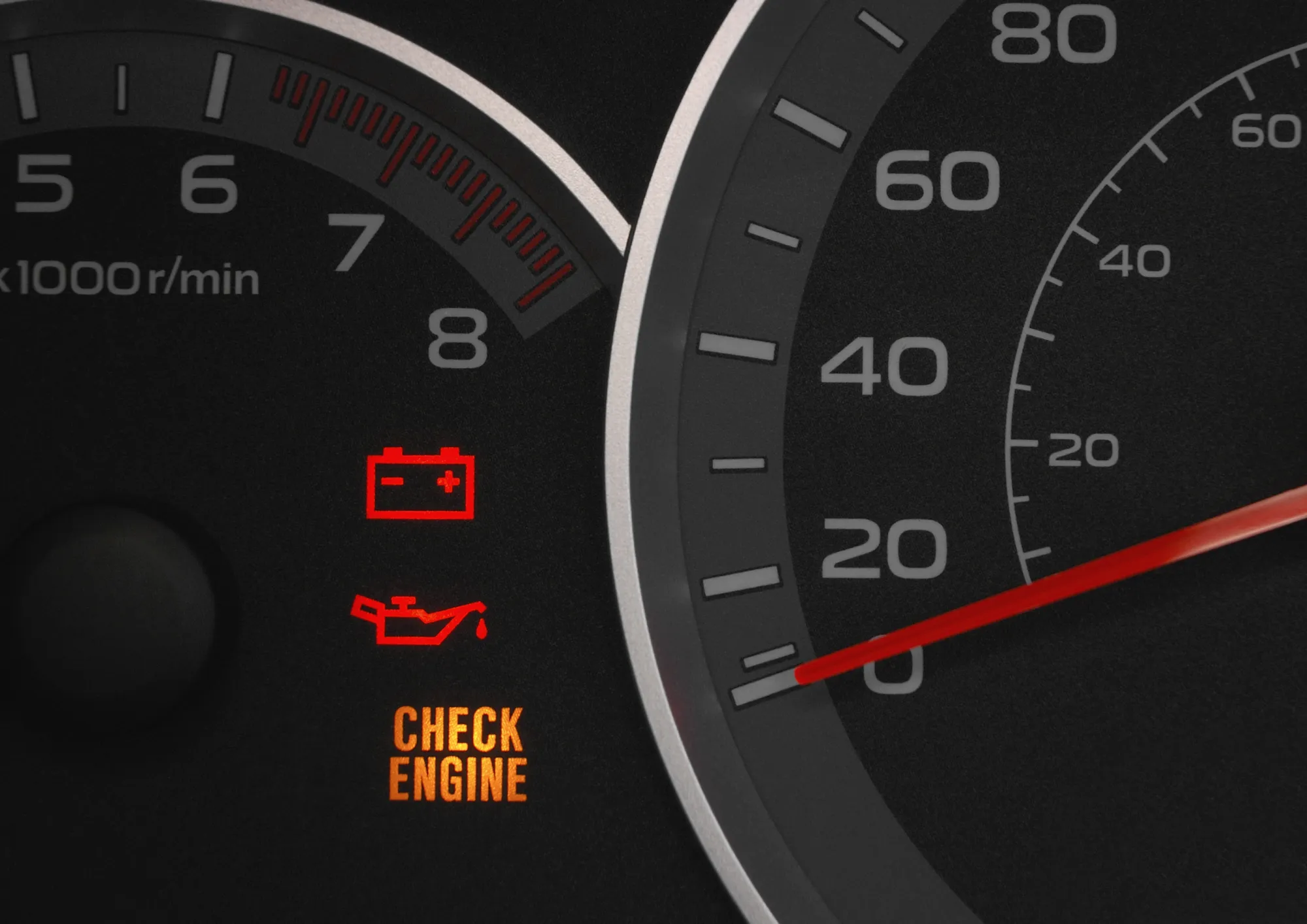
- Check the dashboard for any warning light that came on during the semester and stayed on.
- Check all four tire pressures cold and set them to the number on the driver’s door jamb label, not the number on the tire.
- Walk the sidewalls, looking for cracks and chalky discoloration.
- Read the DOT date code on one tire to find out how old the rubber is.
- Check the oil level and the date on the last oil change sticker.
- Take a short drive with a few gentle stops from low speed. Grinding, pulsing, or shuddering that does not clear means the brakes need eyes on them.
- Test the lights, brake and reverse lights included, with someone standing behind the car.
Anything that looks wrong is worth an appointment before a long drive, because the trip home is the first real load the car has seen in months.
Get It Looked At Before the Drive, Not After
If that car has sat in Athens all semester, bring it in and let us go through it. We will load test the battery, look over the rotors and pads, check the tires for age, pressure and cracking, and tell you where the oil stands on the calendar. Our two Athens locations, Mitchell Bridge Road and Lexington Road, handle this every break, and families closer to Madison County, Dawson County, or Atlanta can use our Danielsville, Dawsonville, and Buford Highway stores instead.
We do not publish prices here, because parts and labor costs move and a stale number is worse than no number at all. For what your specific vehicle needs, request a current quote and we will tell you exactly where you stand.